In high-performance sport, the question is rarely as simple as, “Does an athlete need to stretch, release, or recover?”
A better question is:
What does this athlete need now?
For athletes, Sports Fascia Stretch Therapy™ is not one-size-fits-all. The timing, depth, and intent of the session matter. Equally important is understanding that the athlete’s body and nervous system provide information that helps guide the work. The most appropriate intervention is not determined solely by a practitioner’s plan, but by what the athlete presents in that moment.
The answer may be very different two days before competition, on game day, immediately after a game, or during a recovery block.
Whether an athlete is preparing for the football field, hockey rink or dek, soccer pitch, lacrosse floor, baseball diamond, or basketball court, readiness is not determined by one single routine. It is influenced by training load, travel, sleep, soreness, stress, recovery status, nervous system state, and the specific demands of the sport.
For this reason, the conversation extends well beyond flexibility alone. Understanding what the athlete needs, and where they are within the training and competition cycle, is important context that shapes the nuance of treatment.
Readiness is a Moving Target
 Elite athletes do not perform in a vacuum.
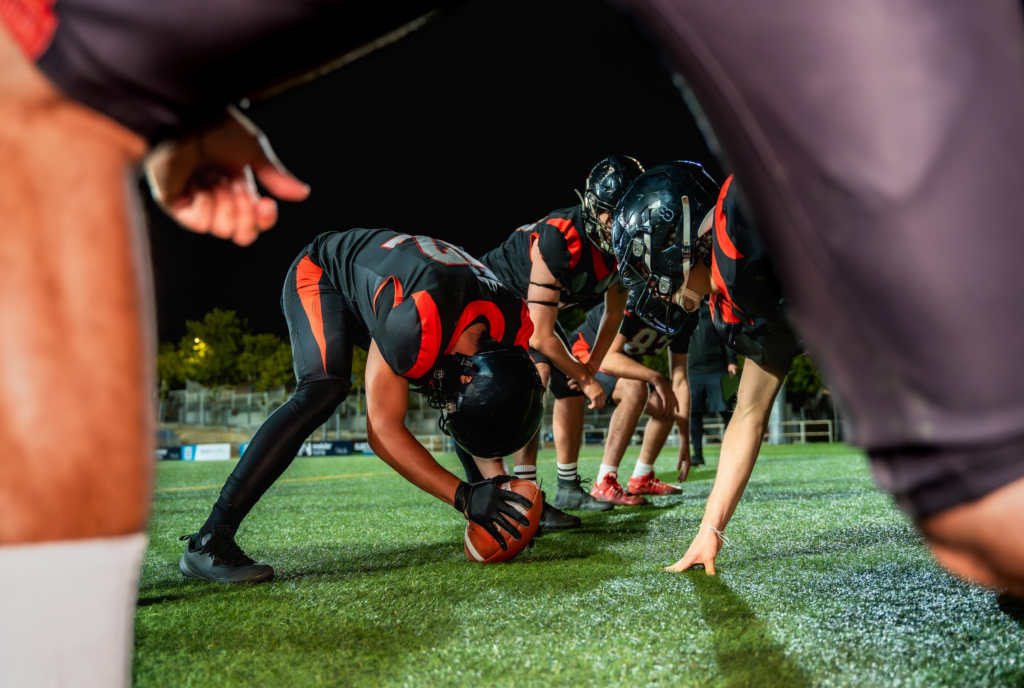
A football player coming off a heavy contact practice week may need something very different than a hockey player who needs to downregulate after repeated explosive bursts of play, a soccer player preparing for match day, or a lacrosse player managing the demands of rapid acceleration, deceleration, and change of direction. Even within the same sport, two athletes preparing for the same competition may require very different inputs.
An athlete may need deeper therapeutic work during one phase of the week, recovery-focused support after competition, a primer session before game day, or a short dynamic session close to play.
The same intervention that is useful during a recovery window may be completely inappropriate immediately before competition.
Most coaches would never prescribe the same training session the day before a game as they would during a heavy training block. Yet stretching and soft tissue interventions are often treated as though they serve the same purpose regardless of timing. In reality, the athlete’s needs, and the appropriate intervention, can change dramatically throughout the training and competition cycle.
Not All Stretching Serves the Same Purpose
Many people still think of stretching as one category.
In performance settings, however, stretching can serve very different purposes. Sometimes the goal is long-term tissue change. Sometimes the goal is relaxation. Sometimes the goal is recovery. Sometimes the goal is activation. Sometimes the goal is helping the athlete feel more connected, coordinated, and primed to move.
Those are not the same goals, and they should not be approached the same way.
This is especially important in high-output sports where athletes rely on mobility, strength, speed, coordination, timing and mental sharpness, often while managing fatigue, physical contact, repeated impact, explosive movement, rapid changes of direction and the mental demands of competition.
Deep Therapeutic FST™
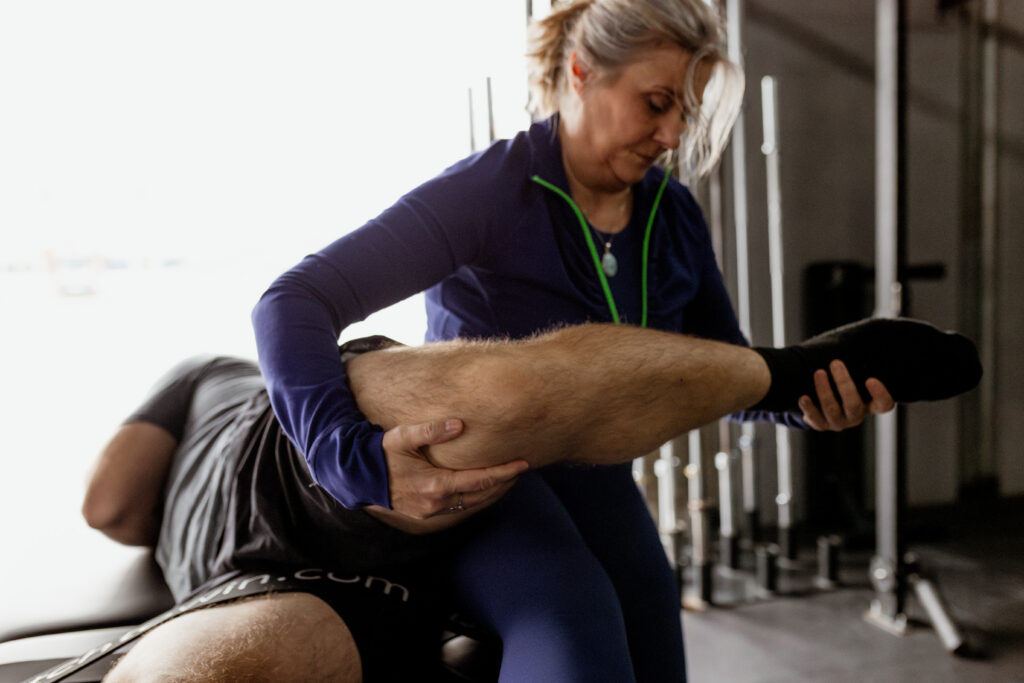 Deep therapeutic FST™ as the name suggests is deeply restorative work.
This type of session may be used to address ongoing movement restrictions, areas of chronic tightness, imbalances, or deep capsular restrictions that require more focused attention.
For example, an athlete may need work that supports deep hip capsule mobility, trunk rotation and rib synchronicity, shoulder rhythm, foot mechanics or full-body integration.
However, deep therapeutic work is not appropriate immediately before competition.
When the goal is to create tissue change, the body needs time to absorb that work and recover. That type of session is usually best used away from the immediate pre-game or pre-competition window. This type of work will often leave the athlete feeling quiet, introspective and open to accept the body’s restorative functions.
Although the focus of a deep therapeutic session may be tissue quality, movement restrictions, or overall integration, the nervous system is always part of the conversation. Every intervention creates a neurological response. The question is not whether the nervous system is involved, but how that response is being used to support the athlete’s goals at that particular point in the training and competition cycle.
The intent is not to make the athlete feel “primed” for immediate competition; the intent is to support better movement quality over time.
FST™: Priming for Sports Performance
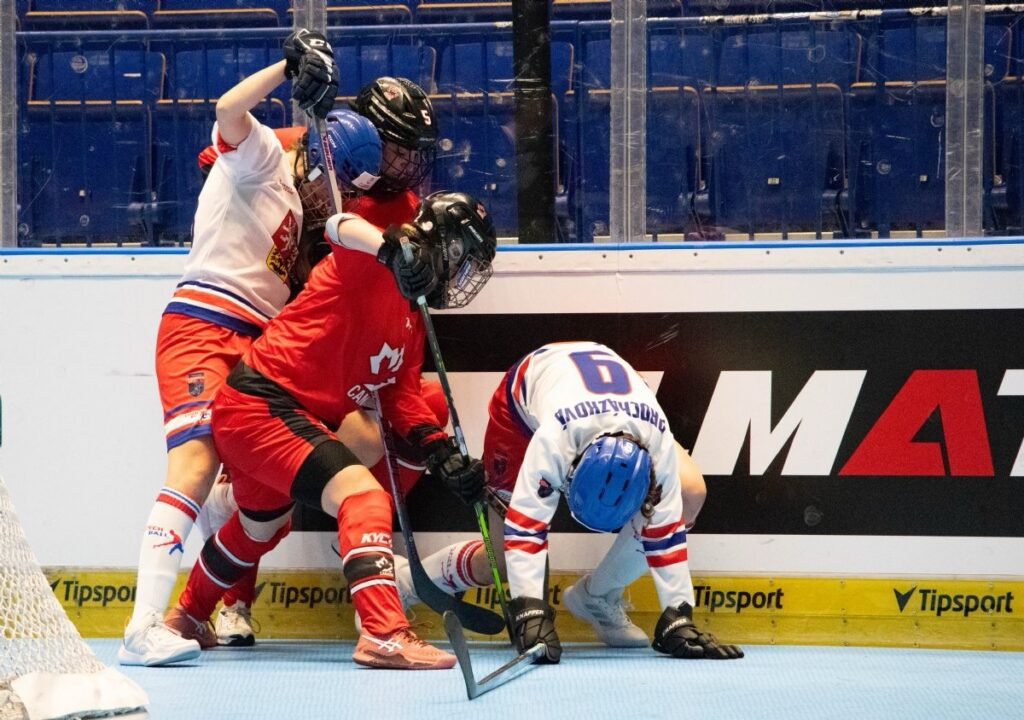 In the day or two before competition, Sports Fascia Stretch Therapy™ can be used with a different intent.
This is not the time to chase new flexibility gains or to dig into every restriction.
The goal is readiness.
A performance priming session may help the athlete feel balanced, integrated, mobile, and prepared in advance of competition. The work is more about restoring balance and integration than creating long term adaptation.
For many athletes, that may mean finishing with dynamic, weight-bearing movements so they feel awake, springy, and connected before returning to training or competition.
While the nervous system is always part of the equation, the desired response before competition is different than it is during recovery or deeper therapeutic work. In a pre-competition setting, the goal is usually to create an appropriate level of upregulation: enough to help the athlete feel alert, connected, and agile, without pushing beyond what the sport or moment requires.
Rather than chasing flexibility in a single area, the focus is on balancing the fascial nets — in other words, how tension and movement are distributed throughout the body. This becomes particularly important before competition, when the goal is less about creating new range of motion and more about helping the athlete feel balanced, fluid, and ready to perform.
Readiness is physical, but it is also neurological.
The FST™ Quickie: Game-Day Readiness
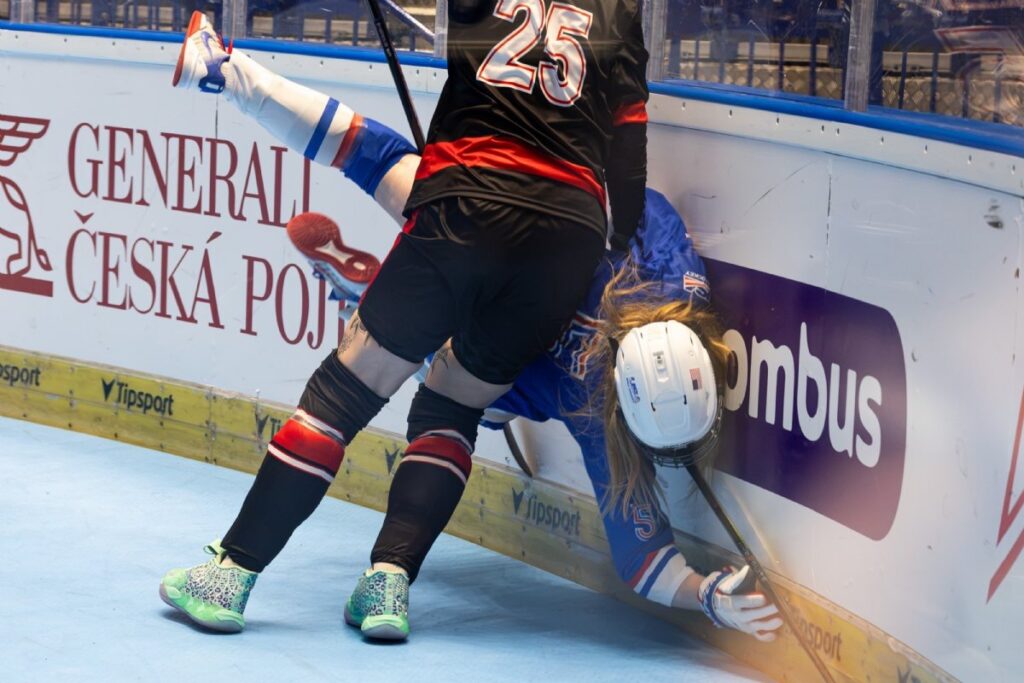 Game day takes this concept even further.
It is no longer therapeutic in nature nor are we trying to rebalance the system. The goal is strictly about priming the nervous system, increasing alertness, and helping the athlete feel switched on and focused.
A short FST™ session before play functions more like a warm-up than a treatment. It may replace several individual stretches or dynamic movements the athlete would normally use on their own, but with a more integrated and targeted approach.
For a football player, that may mean supporting the kind of full-body readiness needed for repeated contact, explosive acceleration, rotational power, and sustained high-intensity efforts throughout the game.
For a hockey player, it may mean preparing the hips, spine, and lower body for explosive skating demands.
For a soccer or lacrosse player, it may mean supporting change of direction, stride mechanics, and fluid movement.
For a basketball player, it may mean helping the athlete feel springy, responsive, and connected before stepping onto the court.
The principle is the same:
The closer the athlete is to competition, the more carefully the intent must match the moment.
Recovery Is Not Passive
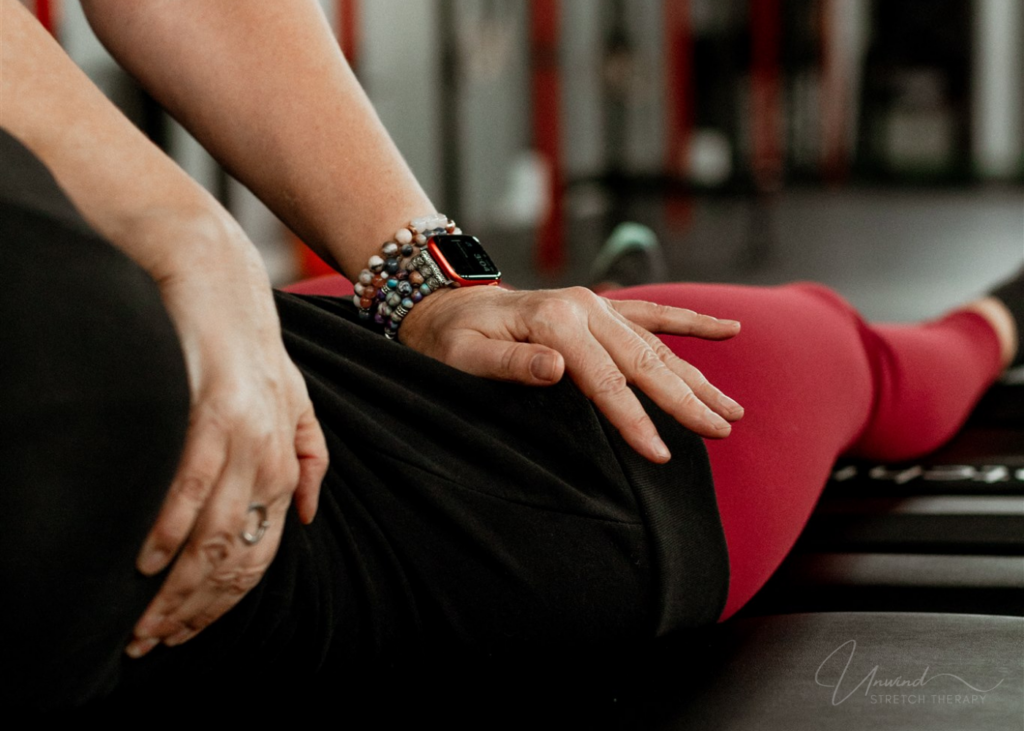 After competition, the goal changes again.
Recovery-focused Fascia Stretch Therapy™ can be used immediately after a game or within the days that follow, depending on schedule, travel, soreness, training load, and how the athlete’s body is responding.
Recovery is not just rest.
It is an active process that may include sleep, hydration, nutrition, movement, breath, soft tissue work, stress management, and nervous system regulation.
Sports FST™ can fit into this recovery window by helping the athlete downshift, restore balance, reduce accumulated tension, and support the body’s natural recovery processes after the demands of play.
When appropriate, some deep therapeutic work may also be included during a recovery session, but the timing and dosage matter.
The goal is not to overwhelm the system.
The goal is to support the athlete’s ability to recover and return to readiness.
Longevity in Sport
 At the elite level, talent matters.
Strength matters.
Speed matters.
Skill matters.
But over the course of a long season, availability becomes one of the greatest performance assets an athlete can have.
Consistent availability often becomes longevity in sport.
Athletes who remain healthy, adaptable, and resilient over time are often the athletes who have invested in maintaining their bodies between competitions. They understand that preparation does not begin when the whistle blows, the puck drops, the ball is snapped, or the first pitch is thrown.
It is built through the habits, decisions, and recovery practices that happen in the days, weeks, months, and years surrounding those moments.
These very principles apply to Sports Fascia Stretch Therapy™.
While different phases of training and competition may call for different approaches, it is not the practitioner’s intent alone that determines the session. The athlete’s body and nervous system continually provide feedback that helps shape the work. While the practitioner brings knowledge, experience, and intent, the body ultimately determines what it is ready to accept.
Sometimes the body is open to deeper therapeutic intervention. Sometimes it responds best to recovery-focused support. Sometimes the priority is performance readiness. At all times the priority is listening and responding to the body’s cues.
The art lies in recognizing the differences and adapting to what the athlete presents in the moment.
Elite athletes do not simply need more stretching.
They need the right input, at the right time, in the right amount.
And perhaps most importantly, they need a practitioner who understands that readiness is not imposed on the body.
It is revealed by it.